Recommended Reading
-
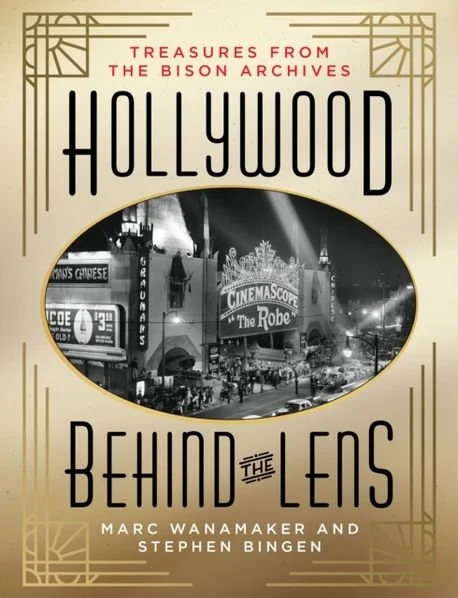
Hollywood Behind the Lens
by Marc Wanamaker and Stephen Bingen
“Los Angeles is a city that runs from its own past” explains historian and Bison Archives owner Marc Wanamaker. Many of Hollywood’s legendary sets and props, mansions, theaters, restaurants, nightclubs, hotels, and even the studios and the films they produced are now either gone or have been redeveloped, repurposed, or remade beyond recognition. Even more disarmingly, the physical ephemera associated with such items is often MIA as well. Photographs, files, maps, documents, menus, production paperwork, records, manuscripts, everything from matchbooks to movie magazines and entire movie backlots have now been lost in the backwash of dubious progress, short-sighted corporate mindsets, and civic indifference. Fortunately, for the last fifty years, in the very epicenter of Hollywood, thanks to Wanamaker, there has existed a haven where over 70,000 of these items, physically or photographically, have been collected and protected. These artifacts tell the story of Hollywood’s glorious past, as well as its uncertain future as the hub of filmmaking in America.
-
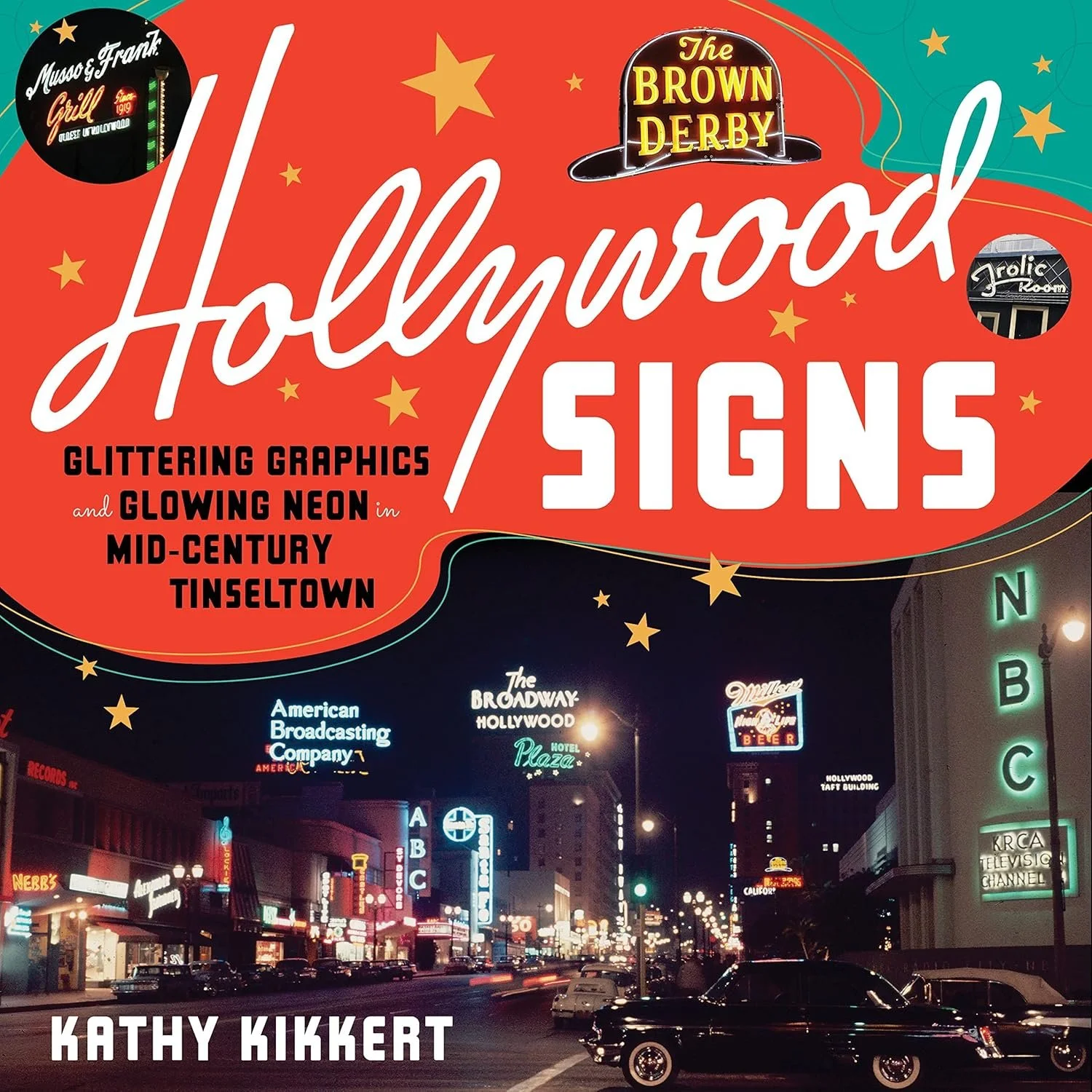
Hollywood Signs
by Kathy Kikkert
Discover the glitz and glamour of Hollywood through a tour of its most fabulous mid-century neon signs!
Take in the glitz, glamour, and graphics of vintage Hollywood with Hollywood Signs: Glittering Graphics and Glowing Neon in Mid-Century Tinseltown. The glittering lights of the big city have never been brighter than in this delightful book from author/designer Kathy Kikkert. Featuring signage from Hollywood’s hottest bars, nightclubs, restaurants and movie theaters, Hollywood Signs is a glowing love letter to Tinsletown type. And who can forget the sign that started it all, the original and iconic “Hollywood Sign” perched on its hill for all to admire. Perfect for locals and tourists, mid-century mavens and design aficionados, Hollywood Signs is a love-letter to La-La Land in all its illuminated glory.
-
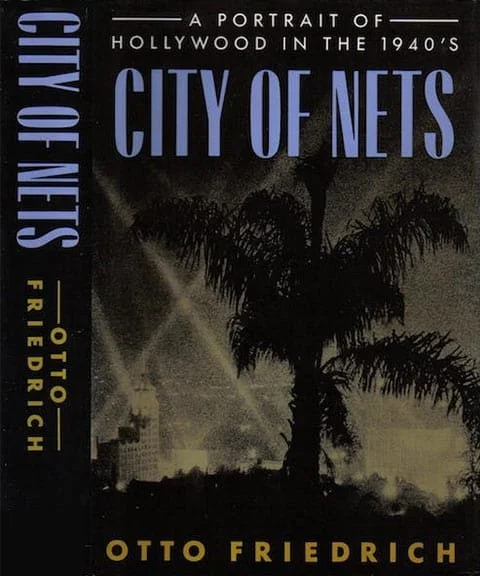
City of Nets
by Otto Friedrich
A dazzling social and cultural history of Hollywood’s golden age in the decade from World War II to the Korean War
In 1939, fifty million Americans went to the movies every week, Louis B. Mayer was the highest-paid man in the country, and Hollywood produced 530 feature films a year. One decade and five thousand movies later, the studios were faltering. The 1940s became the decade of Hollywood's decline: anticommunist hysteria excommunicated some of its best talent, while a 1948 antitrust consent decree ended many of the business practices that had made the studio system so profitable.
In this masterful work of cultural history, the legendary Otto Friedrich tells the story of Hollywood's heyday and decline in a vivid narrative featuring an all-star cast of the actors, writers, musicians, composers, producers, directors, racketeers, labor leaders, journalists, and politicians who played major parts in the movie capital during the turbulent decade from World War II to the Korean War.
Friedrich draws on sources from celebrity biographies to trade-union history, mingling lively gossip with analysis of Hollywood's seedier business dealings and telling the stories of legendary movies such as Citizen Kane, The Maltese Falcon, Double Indemnity, and All About Eve.
A classic portrait of a special place in a special time, City of Nets gives us a singular behind-the-scenes glimpse into a bygone era that still captivates our imaginations.
-
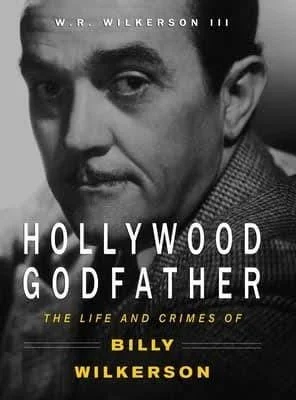
Hollywood Godfather
by Billy Wilkerson
This is the definitive biography of the most powerful man in Hollywood during the 1930s, ’40s and ’50s, the man who founded The Hollywood Reporter and the most storied nightspots of the Sunset Strip. In the 30 years as Tinseltown’s premier behind-the-scenes power broker, Billy Wilkerson introduced Clark Gable and Lana Turner to the world, brought the Mafia to Hollywood, and engineered the shakedown of the Hollywood studios by Willie Bioff and his mob-run unions. He also helped to invent Las Vegas, tangled with Bugsy Siegel (and possibly was involved with his murder), and touched off the Hollywood blacklist.
Perhaps nobody in Hollywood history has ever ruined so many careers or done so much to reshape the movie industry as Billy Wilkerson, yet there has never been a solid biography of the man. Billy’s son, William R. Wilkerson III, has done tremendous research on his father, interviewing over several decades everyone who knew him best, and he portrays him beautifully and damningly in this book.
-
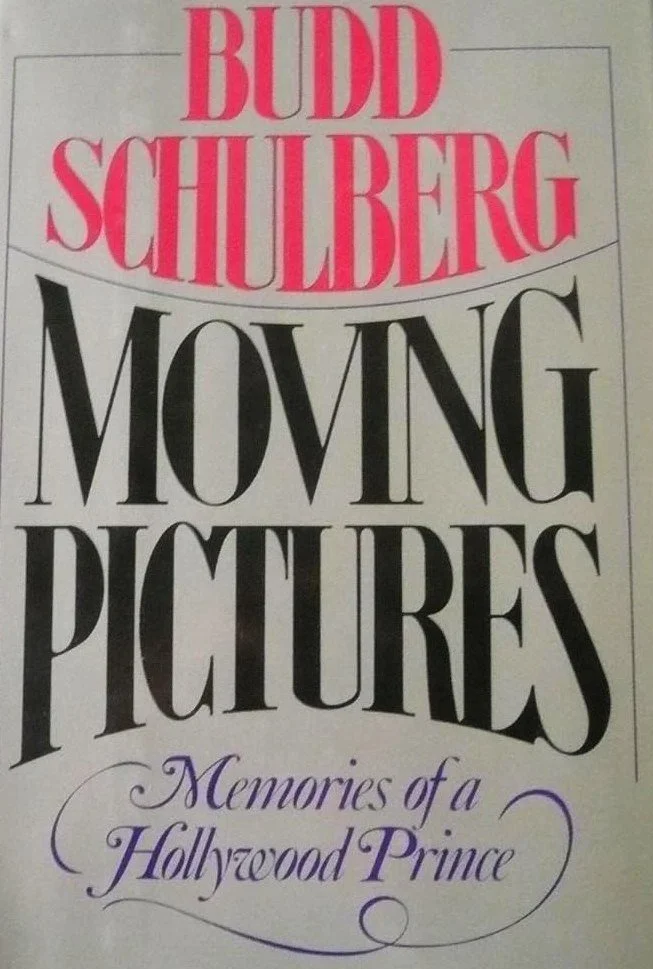
Moving Pictures: Memories of a Hollywood Prime
by Budd Schulberg
When Seymour Wilson "Budd" Schulberg moved from New York to Los Angeles as a child, Hollywood's filmmaking industry was just getting started. To some, the region was still more famous for its citrus farms than its movie studios. In this iconic memoir, Schulberg, the son of one of Tinseltown's most influential producers, recounts the rise of the studios, the machinations of the studio heads, and the lives of some of cinema's earliest and greatest stars. Even as Hollywood grew to become one of the country's most powerful cultural and economic engines, it retained the feel of a company town for decades. Schulberg's sparkling recollections offer a unique insider view of both the glitter and dark side of the dream factory's early years.
-
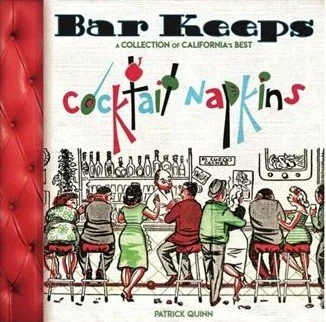
Bar Keeps: A Collection of California's Best Cocktail Napkins
by Patrick Quinn
Bar Keeps: A Collection of California’s Best Cocktail Napkins is a fun and fabulous tour through the cocktail napkins of the golden state. Hundreds of images of vintage cocktail napkins will surprise and delight anyone who is a fan of cocktail culture, roadside diners, hidden dives, tiki bars, and more. Collector Patrick Quinn highlights some of the most unique and interesting napkins he’s brought together over years of enthusiastic searching. Bar Keeps: A Collection of California’s Best Cocktail Napkins is the perfect book for any coffee table or bar top in town!