PREFACE
And so, it begins…
I admit it. I have never been a professional bartender or mixologist, but I do really, really enjoy pretending to be one. Some are good cooks; some are good bakers. I can make a good cocktail. Not being a pro may be a good thing; it could have eventually robbed me of the joy I truly associate with it. Being an amateur may have been an advantage in side-stepping the potential down side of tending bar. Things like the pressure to churn out drinks with the speed of an assembly line, the finicky and hard to please patrons, and having to hear the same stories over and over and over...
That said, I don’t know it all. I say always keep trying, keep experimenting and always keep learning. There is just something fascinating about combining different liquids together with ice to create a flavorful, refreshing and satisfying beverage.
Even as a kid I felt rather sophisticated at a restaurant with my mocktail, be it a Shirley Temple or a Roy Rogers.
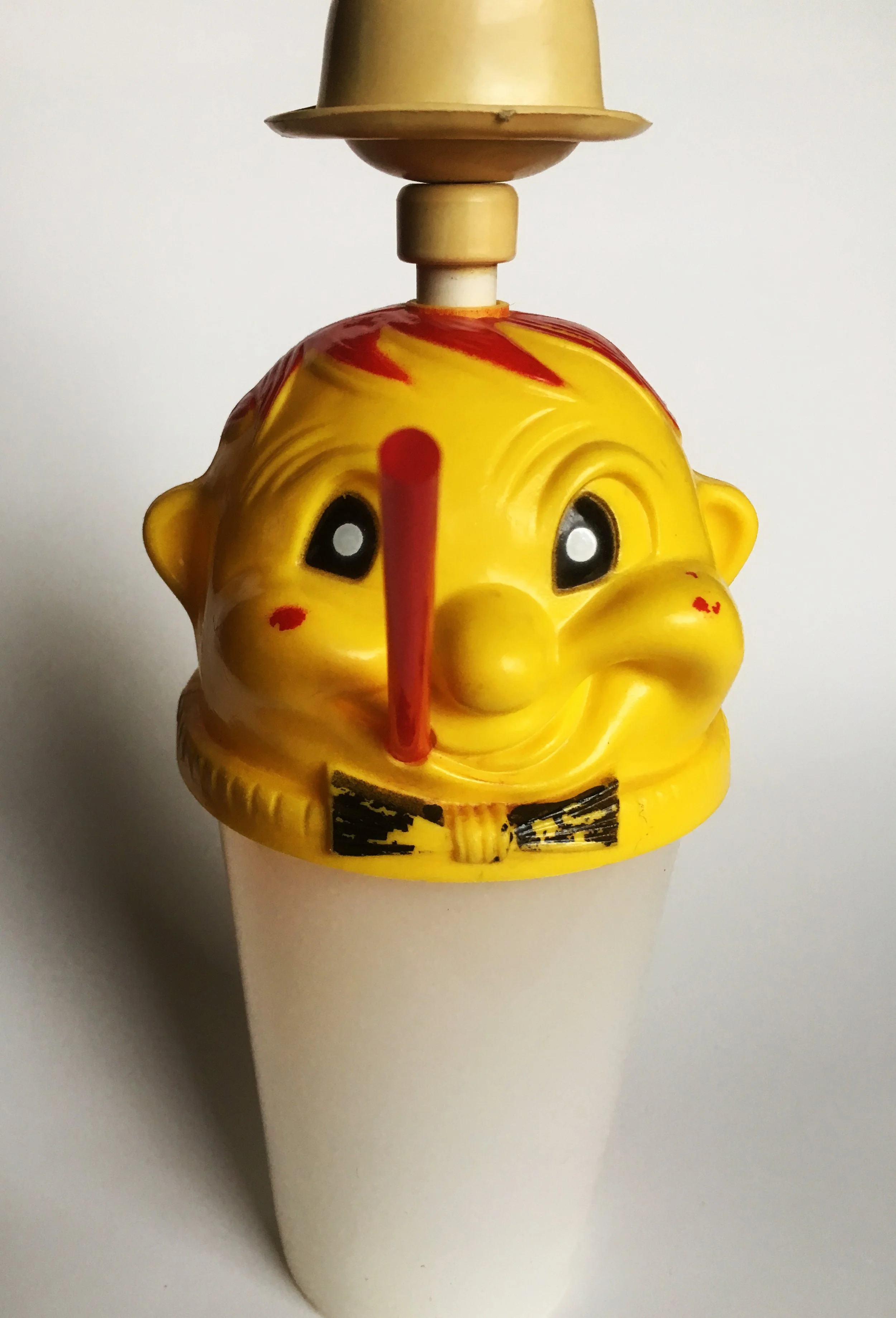
Mr. Mixit by IDEAL
My interest in mixed drinks came at an early age. For my 4th birthday, I was given a Mr. MIXIT, a handy mixing gizmo manufactured by the Ideal Toy Company. The instructions were very clear:
“Pump handle down–release pressure, Allow handle to rise by itself. DO NOT PULL HANDLE UP.”
Hey, I could handle that! By pumping the plastic derby hat thusly, a plastic blade would spin and agitate the liquid contents. I started out with milk and chocolate syrup and viola, chocolate milk. Later I added a sliced ripe banana to the combo and lo and behold, a drink mixer was born! For here on out, the sky is the limit!
And I kept on mixing. As a senior in high school, I created a South Seas concoction of Bourbon, pineapple juice and a splash of lime juice. In college my cocktail of choice was something I called a Mighty Chinook made with Rum, Southern Comfort, grapefruit soda, and lime juice. Don’t knock it. Give it a try, you might like it.
When I first moved to Los Angeles, I worked in a couple of popular night clubs. I mistakenly envisioned vague modern versions of the classic spots of days gone by, images gathered, no doubt, from classic movies or old photos. Boy, how times had changed. I couldn’t have been more wrong. Long gone were the days of classic neon signage, dazzling interiors and patrons dressing to impress.
One of the clubs was on La Cienega Boulevard, at the tail end of Los Angeles’ Restaurant Row, and still living on its faded glory as a Disco Palace from the 1970s. It was now going “upscale” by reinventing itself as the epicenter for Female Mud Wrestling. Any display of glamour there was strictly smoke and mirrors. Not a dime had been spent on maintenance or repairs since it opened, and when the lights came up after closing, you needed a calculator to count the mystery stains on the carpet and upholstery. Yet, despite the grunge, there was always a long line to get in. I once wrestled with a woman high on PCP there, but that’s another story.
At another club on the Sunset Strip and even though the little, old sun-withered man who owned it certainly remembered the glory days of a more glamorous Sunset Strip, his attempt to emulate one was a thinly veiled façade. Frankly, it wasn’t entirely his fault; like I said; the simple truth was that the times had changed. We may have worn tuxedos as our work uniforms (100% Polyester) but the whole place seemed like just a front for whispered, hush-hush deals of a dubious nature and “professional” escorts. It took me a while to catch on, but eventually I did. “Hey, what are all these beautiful young women doing with all these ugly old men? …Oh…I get it...” In fact, the entire time I worked there, the venue seemed to be a front for undetermined nefarious activities. It was as if there was some unspoken secret that was known to everyone but me.
Some of the regulars had that hardened look of international gangsters, the kind with more hair on their back than on their head, and wearing lots and lots of gold. Occasionally a former B list celebrity would wander in, their name withheld out of respect. One night the maître d’ phoned in sick. They hastily asked me to take his place. Now I had to memorize the restaurant seating chart in a half hour. Long story short, it did not go well. I, naturally, saw the humor in it all. Unfortunately, no one else did.
However, it was my experiences, good and bad, working these clubs that I was able to observe the role of bartender up close and witness everything that comes with being a good one. After all, the bartender is the most valuable position in almost every drinking establishment. That’s where most of the profit comes from.
These and other glamour-less club experiences made me even more interested in the “what was” rather than the “what is”. And so, little by little, I began my quest to learn all about Hollywood’s legendary watering holes of yore.
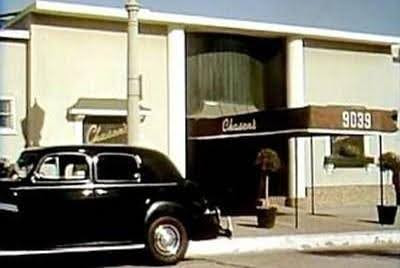
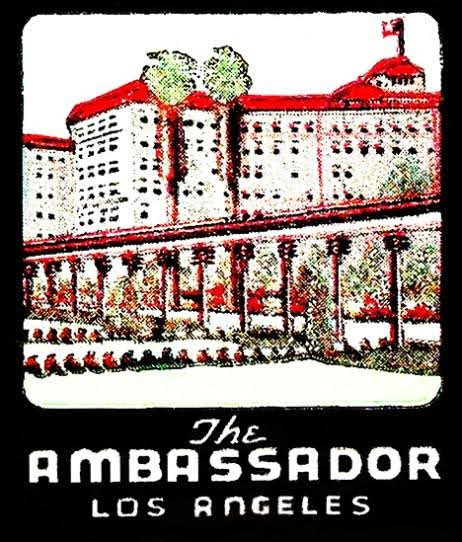
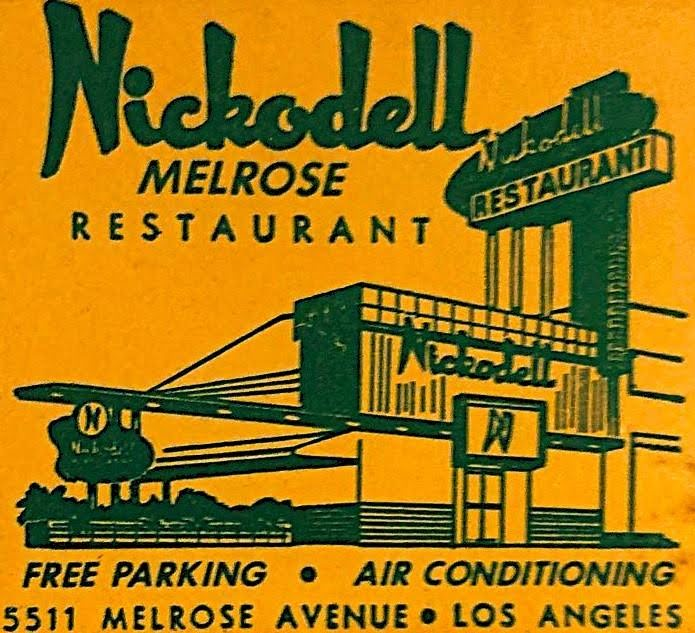
And in the meantime, I patronized the ones that survived. Although I missed attending the classic nightclubs like Café Trocadero, Ciro’s, Mocambo, by several decades, I was fortunate enough to have experienced the Cock ’n Bull, Chasen’s, Nickodell’s, the Hollywood Brown Derby, the Ambassador Hotel and the Palomino Club before they closed their doors for good.
While I was the Executive Director of the Wattles Mansion and Gardens, I honed my skills as a host. Hollywood Heritage, Inc., the nonprofit preservation organization, had begun the badly needed restoration and maintenance of the historic estate in 1984. To raise the funds for the preservation project, it had become an event location.
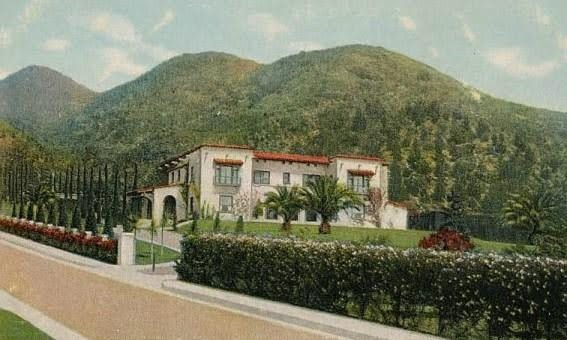
A vintage postcard of the Wattles Mansion circa 1920s
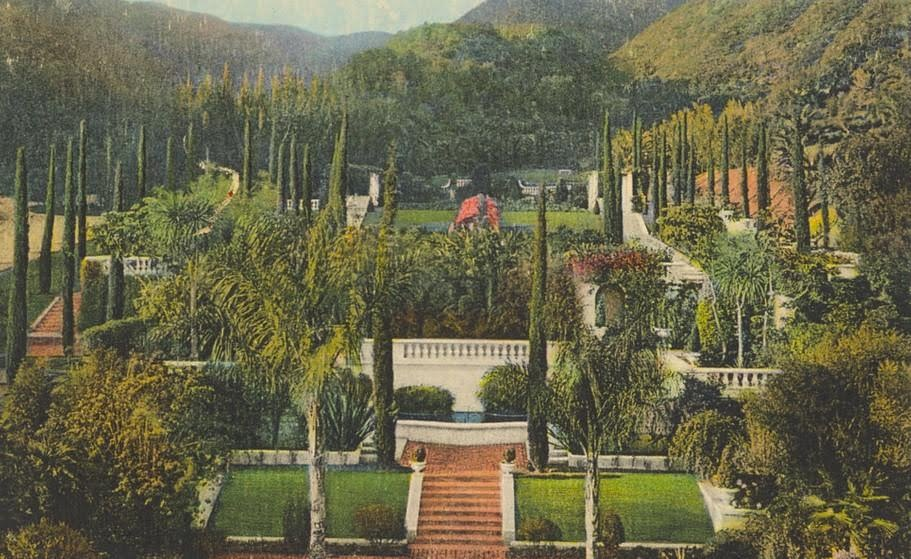
A vintage postcard of the Formal Gardens behind the Wattles Mansion
Consequently, I was witness to a wide array of events, from the intimate, to the lavish, to the spectacular, many orchestrated by Hollywood’s best party planners and caterers. I paid attention. I took mental notes.
Some of that creative pizzazz just had to rub off in some way, right? Right? Needless to say, living and working in such a grand environment, I was expected to entertain and entertain well.
And over the years, the Wattles mansion itself has served as the location for more than a few Hollywood cocktail parties. The eclectic list of attendees over the years have included Fayard Nicholas, Cesar Romero, Esther Williams, Terry Moore, Buddy Rogers, Ann Miller, Sandra Bullock, Matthew McConaughey, Courtney Love, Edward Norton, Richard Anderson, Christina Applegate and Robert Vaughn.
The 25 years of managing and funding the restoration of the 49-acre estate was my personal contribution to the restoration of historic Hollywood. This constant challenge to preserve history is a never-ending task for those that care.
So, my nearly lifelong interest in history and historic preservation made me want to bring these drinking establishments back to life, even if just digitally, giving them a renewed recognition they so richly deserve. These were the settings for much of the history of the motion picture industry, and would later include the television and recorded music industries as well.
That said, the purpose of this work is to celebrate and memorialize the ones that are now gone while cherishing and supporting the ones that have survived.
Change is afoot. The original charm and scale of Hollywood is being overwhelmed on a fairly regular basis by new development and much greater density. There is a risk of overshadowing the original buildings that give Hollywood its unique identity. And the ongoing demolition makes what survives even more significant for its historical context.
For decades, Hollywood was a magnet for accomplished artists of every discipline, especially architecture. It was a showcase to perform in, to show off, to prove your abilities, and usually on a grand scale.
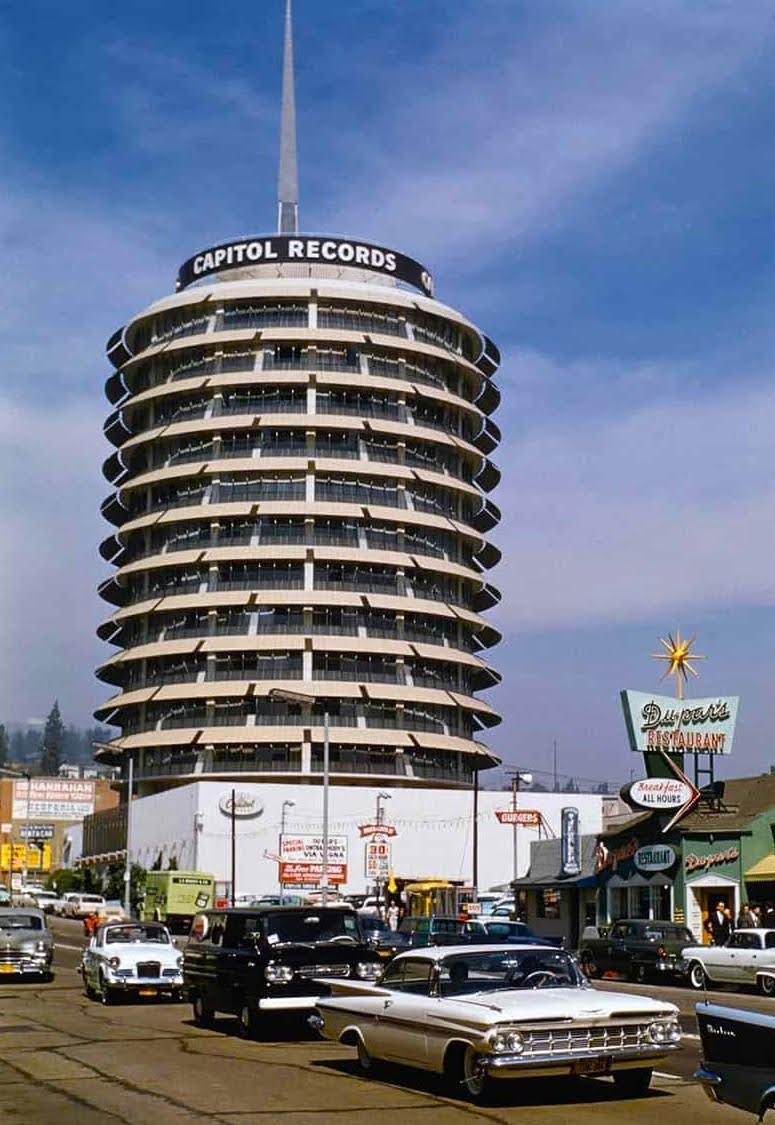
The iconic Capitol Records building
The Hollywood Storage Company building (1925) 1025 North Highland Avenue, the First National Bank building (1927) 6777 Hollywood Boulevard, The Hollywood Western building (1928) 5504 Hollywood Boulevard, the RKO Pantages Theatre (1930) 6233 Hollywood Boulevard, the Title Guarantee building (1930), Sig Graman’s Egyptian Theatre, Graman’s Chinese Theater, the Max Factor building (1935) 1660 North Highland, the Hollywood Palladium (1940) 6215 Sunset Boulevard and the Capitol Records building (1956) 1750 Vine Street are just a few examples.
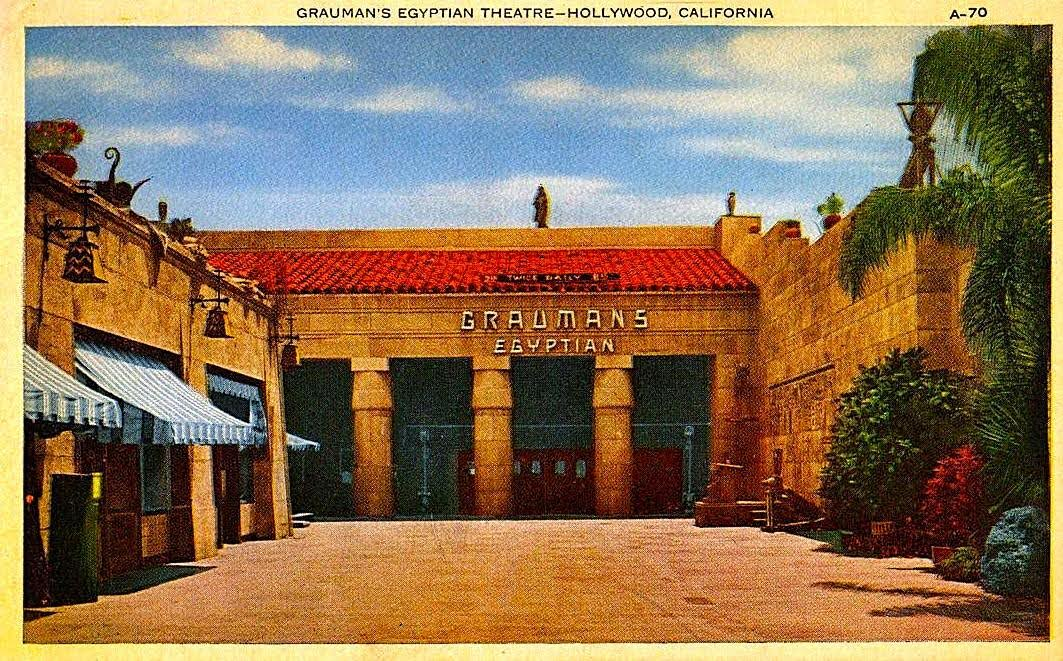
The forecourt of Grauman’s Egyptian theater
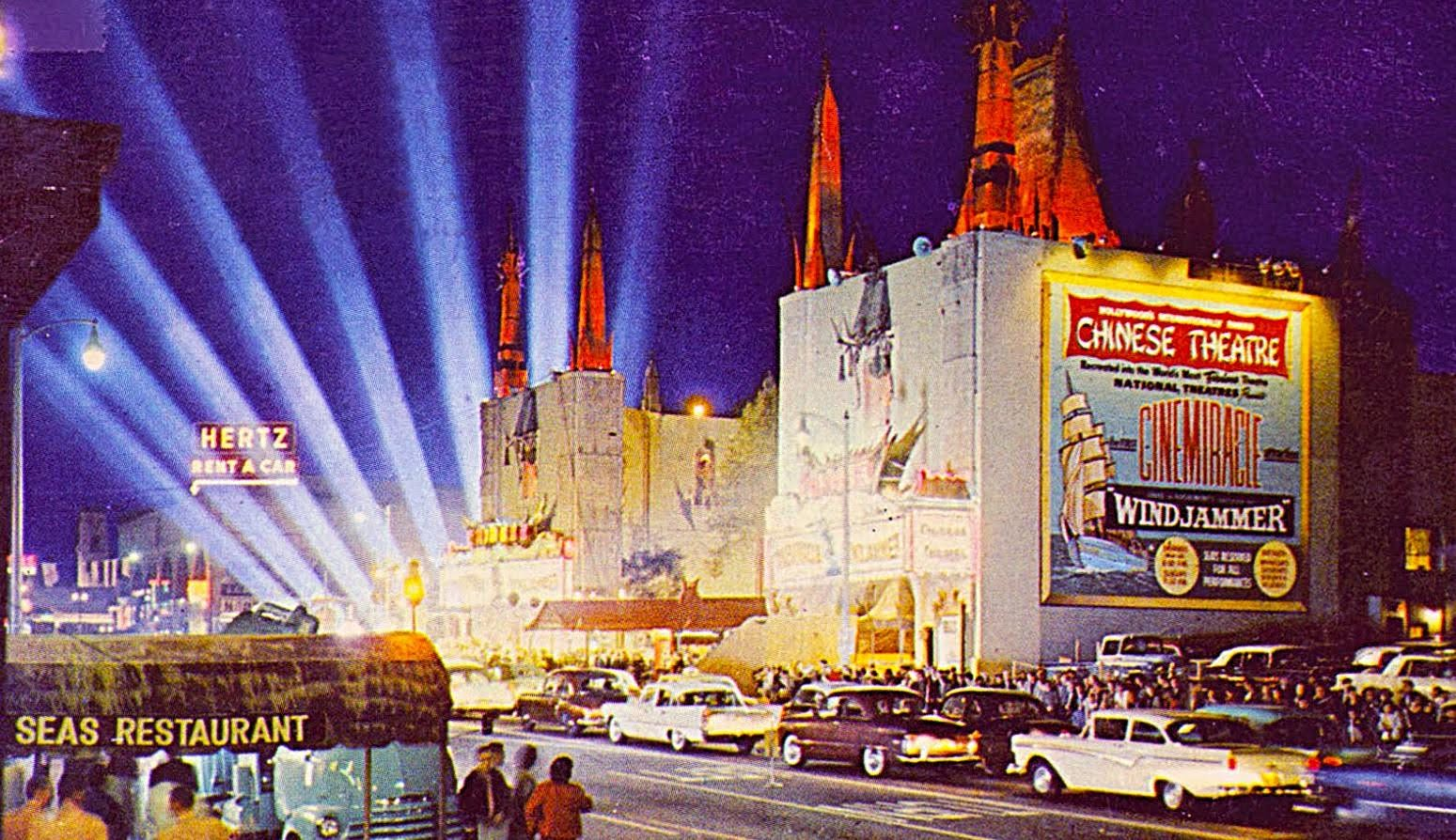
A premiere at the Chinese Theater
Unfortunately, with all the new development going on in Hollywood it is very hard to recognize any architectural significance or any connection to Hollywood’s world-famous identity. These are buildings which could be built anywhere, and anyplace. So, will any of the new projects obtain future landmark status? Maybe. Time will tell; it always does.
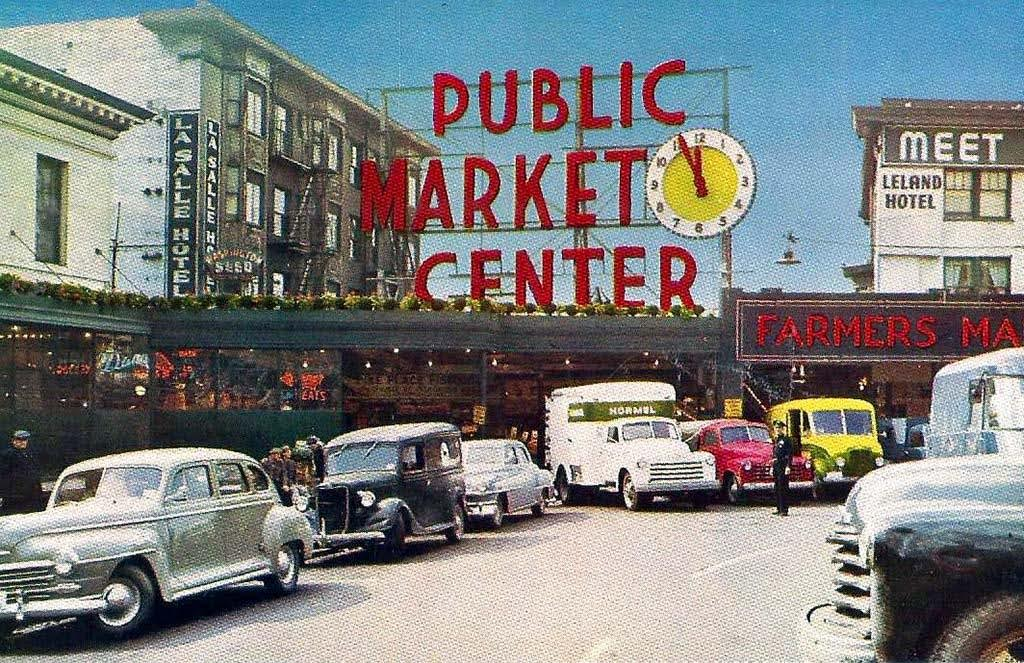
Seattle’s popular Pike Place Market circa 1940s
Growing up in Seattle, I witnessed the resurrection of a faded Pioneer Square and a dilapidated Pike Place Market. Once restored, these districts became some of the City’s most popular destinations, home to boutiques, bars, businesses and residents. And by doing so, it created a huge increase in the tax base and a big increase in tourism. Areas that were once thought of as liabilities became huge assets.
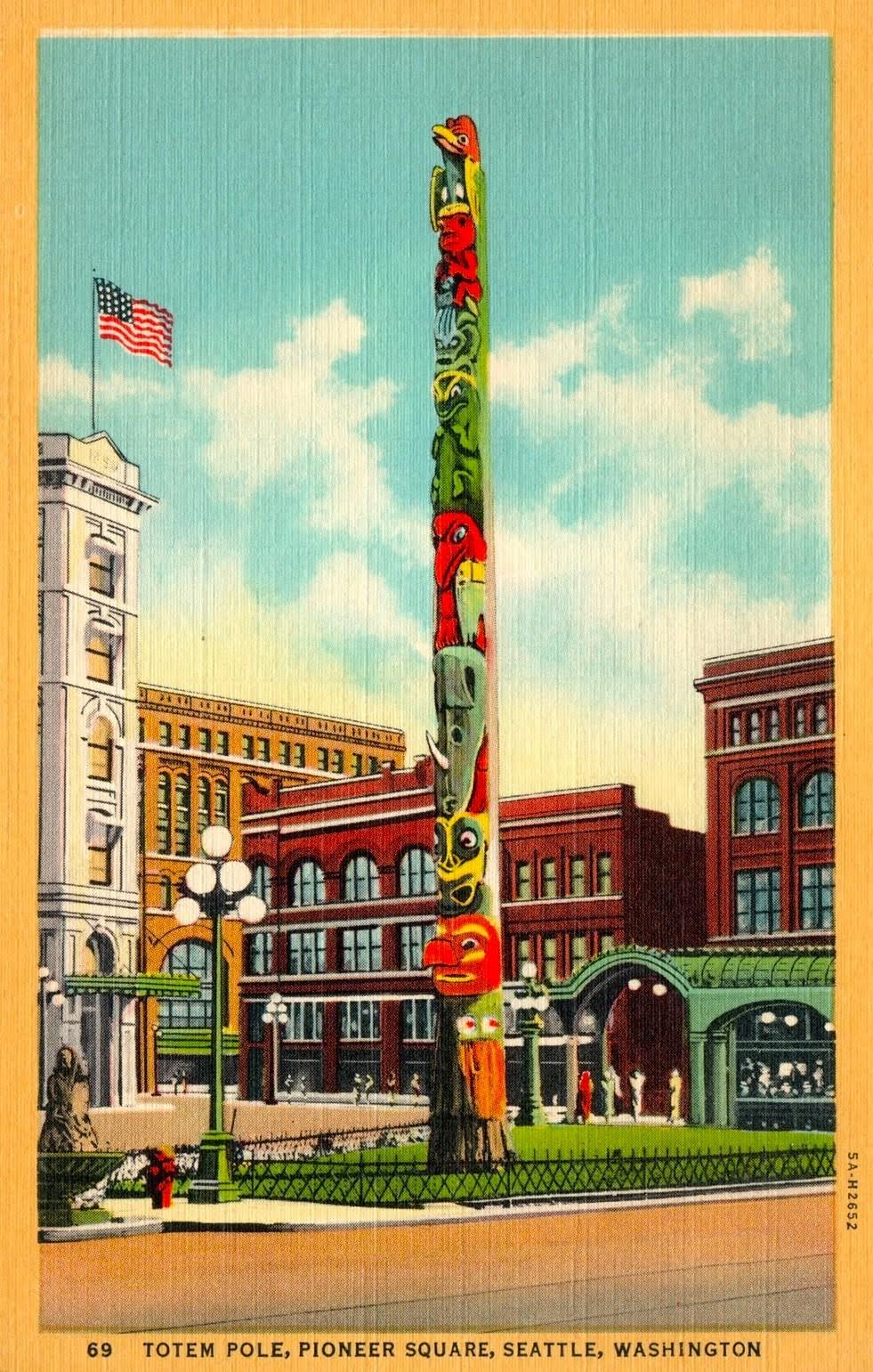
A famous landmark at Seattle’s Pioneer Square
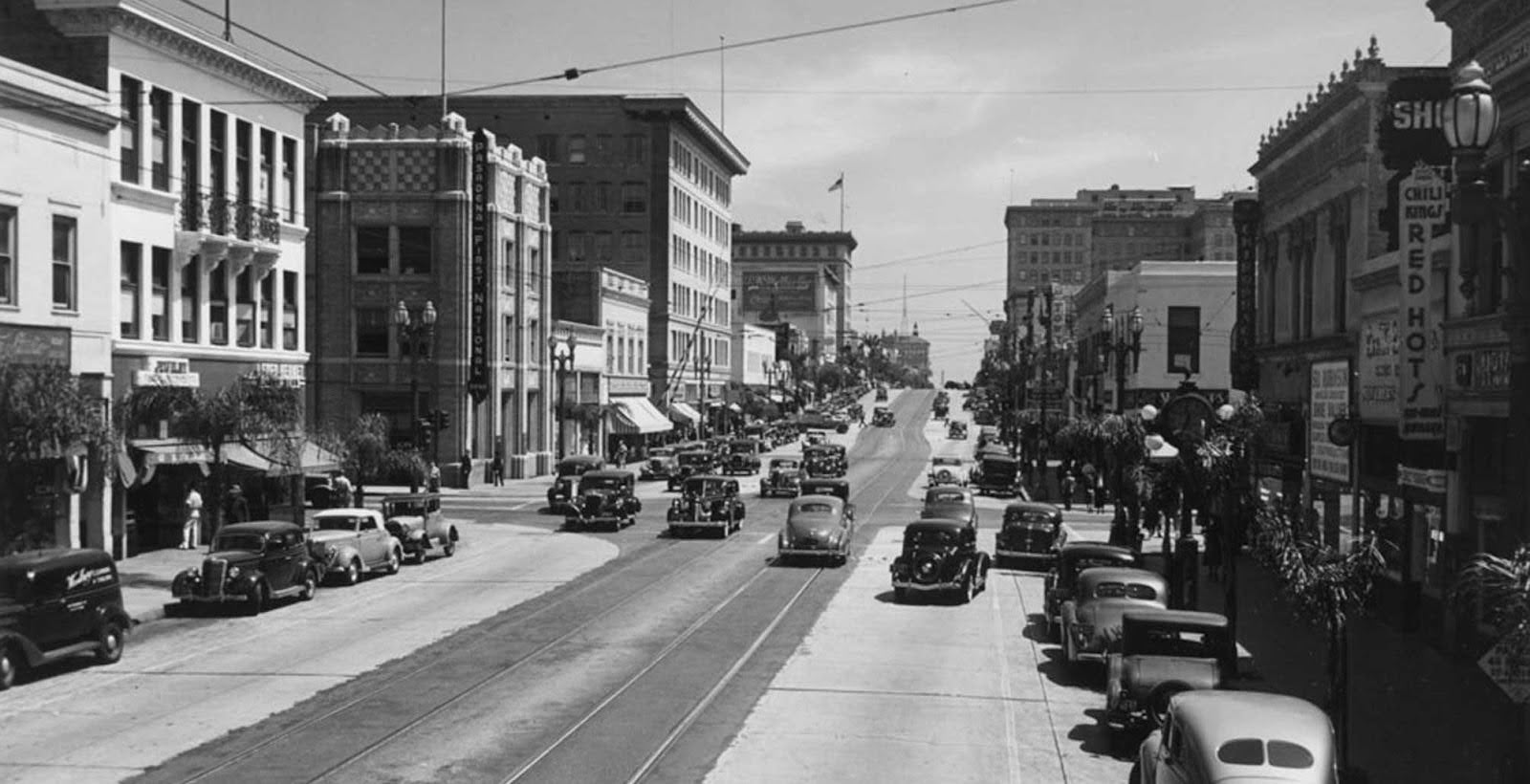
Pasadena’s Colorado Boulevard in the 1940s
The same scenario played out in the city of Pasadena. While I was living there, I saw the transformation of Old Town, once written off as a dysfunctional eyesore. The end results for Pasadena were just as successful as Seattle’s.
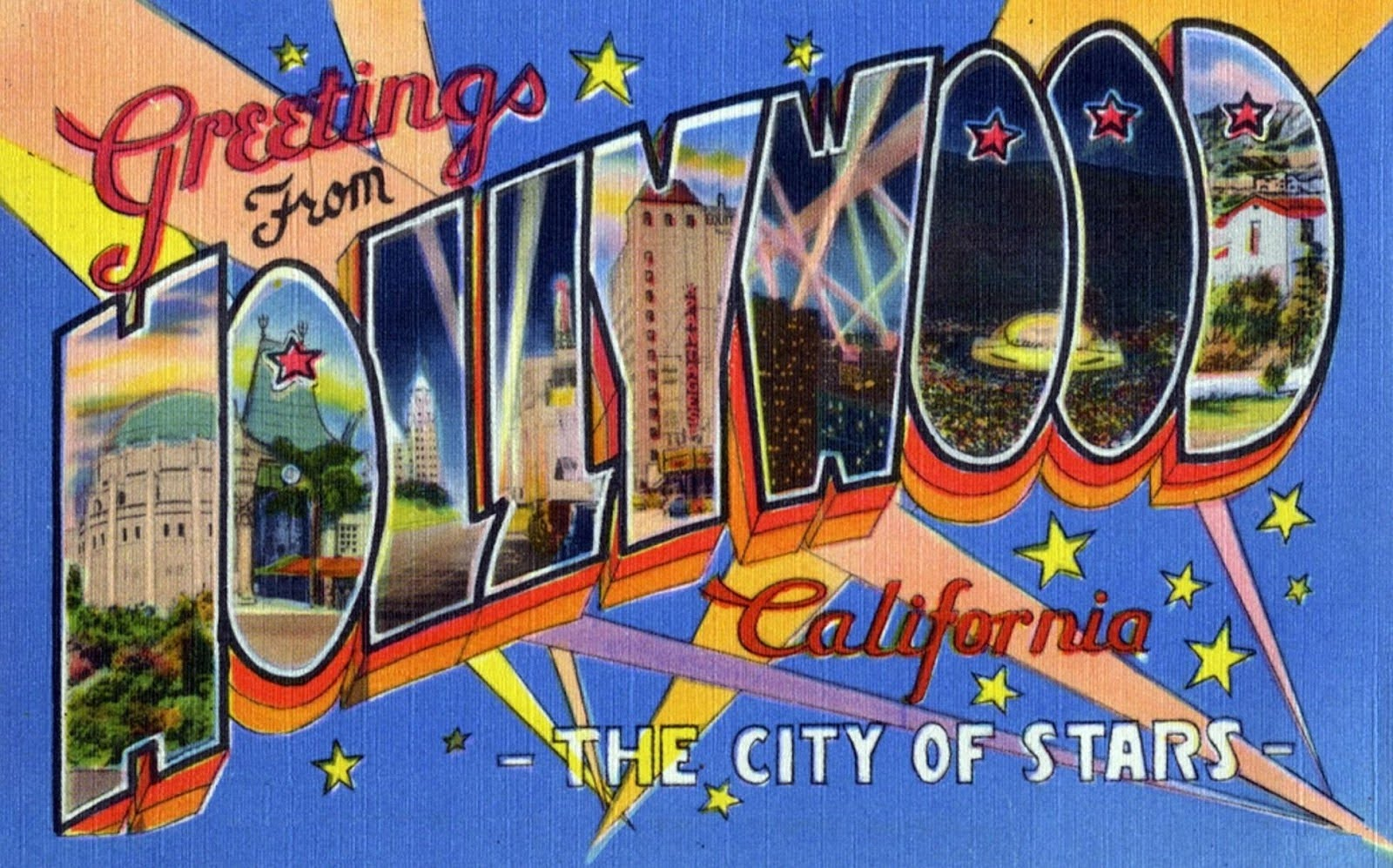
The moral of the story is preserving the history of a city or town is what gives it a personality, an identity. The restorations of historic districts create revenue. Every city or town has a unique history and Hollywood’s may be the most unique of all. And it’s a history the world has been fascinated with for over 100 years and is why the world keeps traveling there.
I did my part for 25 years, securing the funding for the restoration and maintenance of the Wattles Mansion and Gardens. By overseeing that formidable challenge, I had skin in the game. The restoration was nearly complete and the property designated as Los Angeles Cultural Landmark, No. 579, when it was handed back to the City of Los Angeles.
Students of history and proponents and participants in historic preservation, learn the hard way that change is inevitable. Nothing lasts forever, especially in Los Angeles. As the Greek philosopher Heraclitus said over 2,500 years ago, “There is nothing permanent except change.” Heraclitus won’t get an argument from me, but wouldn’t it be wonderful if the change was mostly for the better?
Good things can happen. There have been some successful attempts at creating the cool atmosphere of the clubs of yore. In the early 1980s there was a gallant attempt by owner Ron Berinstein to resurrect a classy club in Hollywood. The Vine Street Bar and Grill was a cozy, intimate sophisticated venue, complete with Grand piano, linen table cloths and excellent cocktails. Many legendary singers and Jazz greats performed there, including Joe Williams, Cab Calloway, Woody Herman, Dizzy Gillespie, Eartha Kitt, Big Joe Turner, Carmen McCrae, and George Shearing. Some of these performances were professionally recorded on the house stage and are available on CDs. And they served a perfect cocktail in the perfect glass; their Tom Collins presentation was worthy of a photograph.
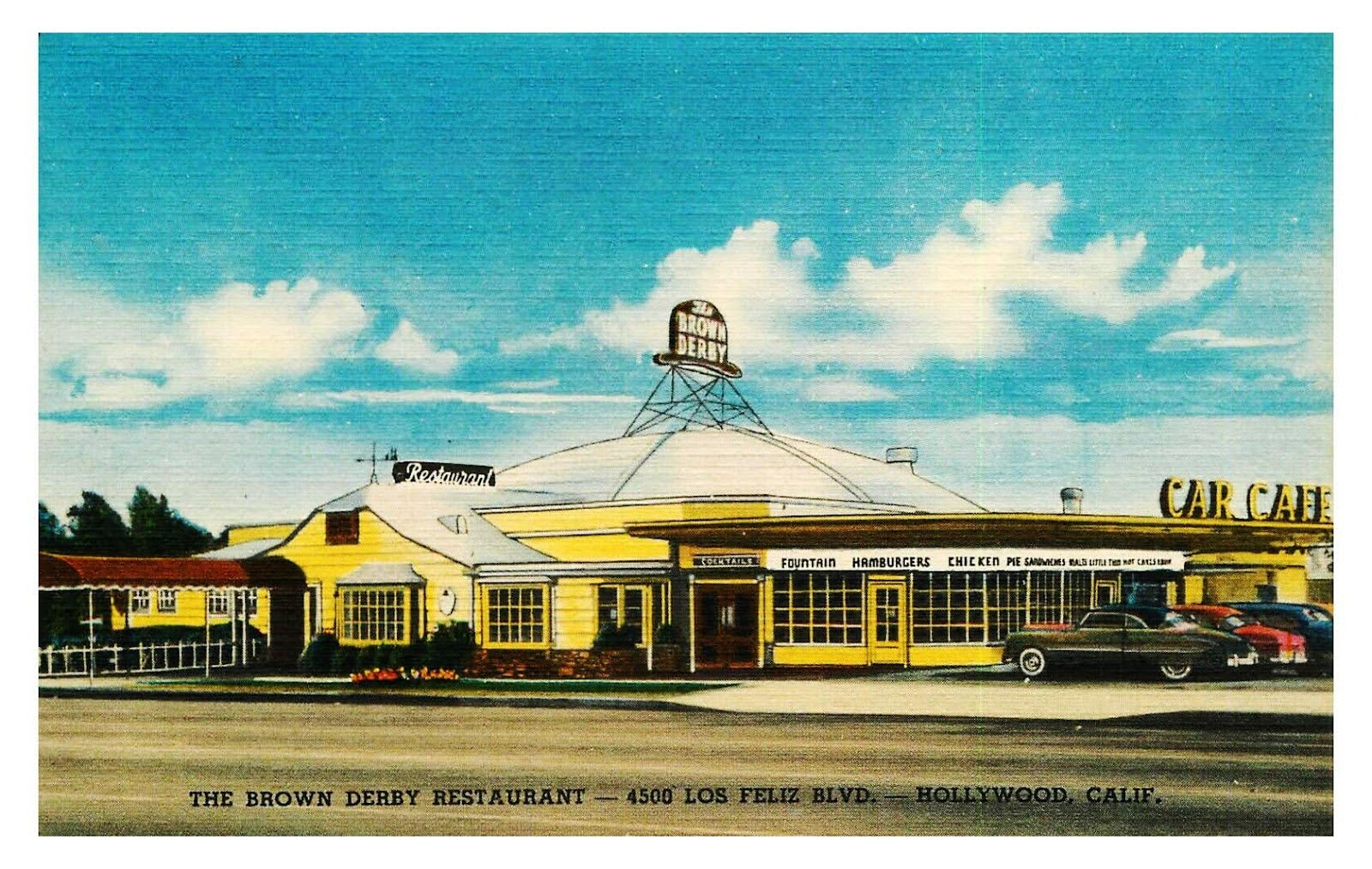
The Los Feliz Brown Derby
In 1992 The Derby night club opened in a portion of the building that once housed the Los Feliz Brown Derby. It became a popular spot for a revitalized swing dancing craze, with a dedicated customer base attending in spiffy vintage apparel.
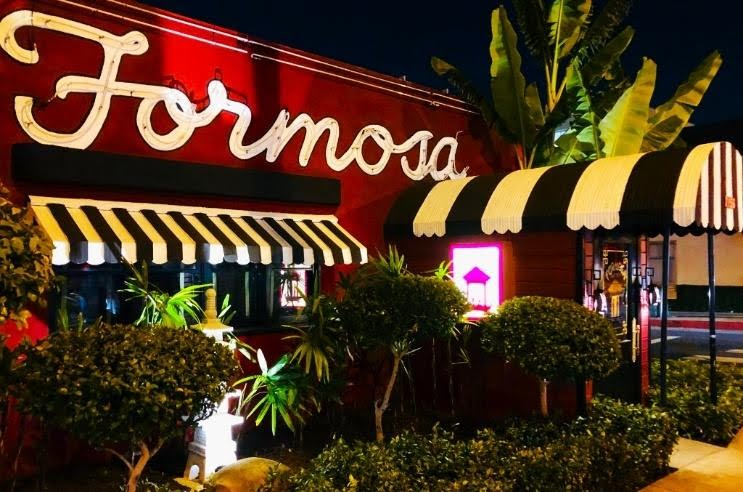
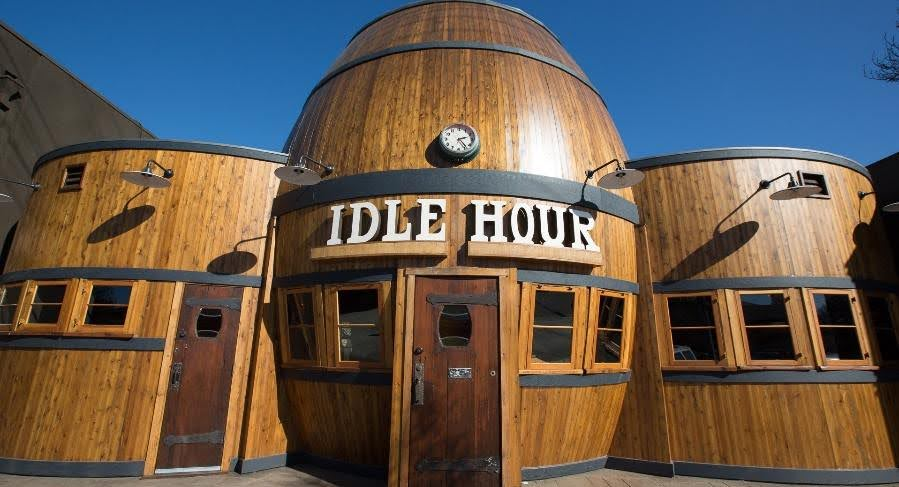
More recently, the 1933 Group has done an outstanding job making both The Formosa in West Hollywood and the Idle Hour in North Hollywood bigger and better than ever.
Who knows, there could be even more examples of successful historic preservation projects in the future. The potential possibilities are certainly intriguing.
Meanwhile, I continued to immerse myself in this fascinating art of a well-made cocktail. I have honed my skills by entertaining vendors, clients, colleagues, relatives and friends. I experiment with varied cocktail ingredients and collect recipes the same way chefs, cooks and bakers do.
Along the way, by trial and error and studying the skills of the professionals, I learned a few things that I think help in orchestrating a successful cocktail party. Some are simple, some are obvious and some are near genius. It’s always best to learn from someone else’s mistakes so I hope these tips help to make a fun and memorable get together for you and yours.
I have always found the effects of alcohol on drinkers fascinating. It can enhance or alter one’s personality. A drink or two can make you funnier, more charming, insightful and even sexy. Some that never speak unless spoken to, after a few drinks, never shut up. Others embrace their dark side and become surly, belligerent and violent. Some can drink and some should not.
During my countless years of research, I was able to have unearthed, studied and developed countless vintage cocktail recipes. Then there was the laborious process of testing each and every recipe. Sometimes two or three times! Truly an arduous task, to say the least, but someone had to do it. Along the way, did I develop favorites? Yes, I did, but they were all worth drinking. You’ll come to the same conclusion.
Through the long process of compiling the content for this project I noticed a reoccurring theme. After decades of being in and then out of favor, cocktails have made a huge comeback. They are now here to stay. After all, popular libations like the Margarita, the Cosmopolitan, the Gin and Tonic, the Mai Tai, the Mojito, and others now have national holidays; I’ll drink to that.
Make mine a double, but only after I have something to eat first.
Cheers,
Stephen X. Sylvester